Sept. 27 & Oct. 4, 2026 – Making Bread
I started writing this blog post last week and jotted down a bunch of ideas about my Metaphor for Teaching (and Learning) for EDUC 394. I’m teaching EDUC 394 this term with the Elementary and Secondary Cohorts, and I have returned back to e-Portfolios again this year in this course as an assessment tool. This course is about pedagogy, curriculum, and teaching. The metaphor for teaching was an idea that my friend and her colleague implemented in their program for undergraduate students. Although I adapted the idea, I love the notion of a metaphor to describe what teaching and learning is. These teacher candidates are at the beginning of the program and they will be returning to this metaphor at the end of the term. Although I don’t get them all year, I think I will be using e-portfolios for EDUC 394 to practice the professional standards for BC educators.
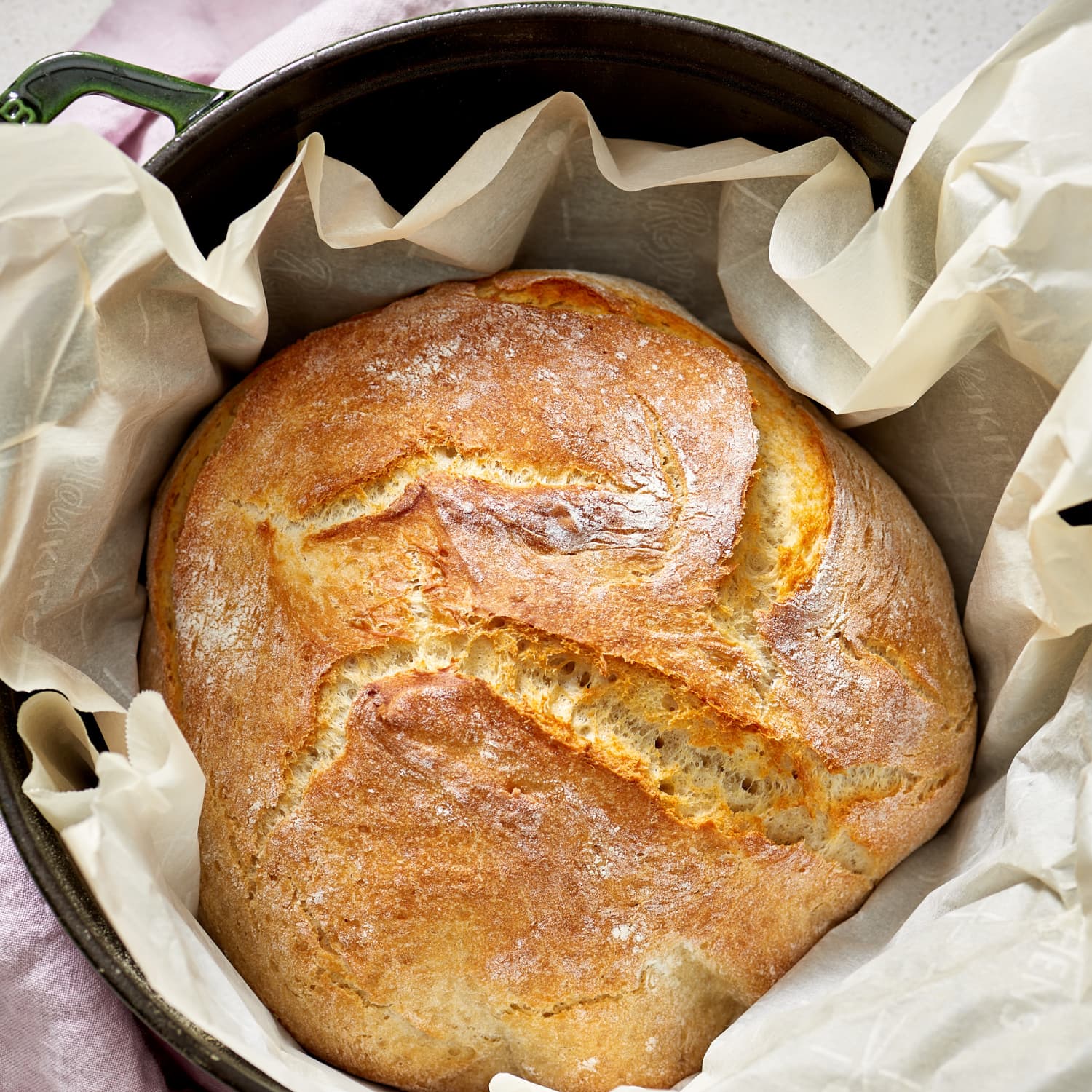
My metaphor for teaching and learning is MAKING BREAD. This year, I’m really embracing the idea of kneading bread. Making bread is a science and an art. You need to be measured out correctly, you have to have the right ingredients, and you have to implement a particular sequence of mixing the ingredients together (i.e., like the dry ingredients sifted together in one bowl and the wet ingredients in another bowl). You also have to have the right conditions, meaning that the oven is a the correct temperature, yeast is bloomed at room temperature, and the dough can rise at a certain temperature for a period of time. And the techniques… kneading the bread, and knowing when the dough has been made and when it’s ready to rest and rise before baking. There is little room for error, but lots of room for personalization. No loaf is ever the same.
Another thing about making bread is, you are always trying your best. Cutting corners is not ideal and will impact the final product, but sometimes there are short cuts. Also, with practice, you will develop and expertise for making bread such that the process will feel more natural and automatic, so less time is needed. That said, you can build your skills over time so that you can be more creative and try new things to hone your craft. You can learn new techniques from other people. You can find the joy in making bread knowing that every loaf will have its own uniqueness. The work is rewarding and will be rewarded with the product. And, throughout the process, there is constant formative feedback. For example, if the bread does not rise, a key ingredient is missing. Or if the bread is too salty, you might have measured the salt incorrectly. You need to notice these nuances to know if the bread turned out alright or not, and you also have a vision of how the end product should be. You have targets and goals.
The best part of making bread is the bread… hot out of the oven with some butter and maybe a bit of jam. AMAZING. You know that the bread turned out when the holes in the bread are uniform, the crust is crisp and the break itself is moist and chewy. Oh… the smell of the bread would be so inviting and the taste of the bread to be savoured and celebrated. Lots of hard work went into making that bread and in the end, the hard work, thoughtfulness, and planning paid off. So making bread, much like teaching and learning, takes time, love, care, effort, patience, and technique. There is no “perfect” bread, but the hard work invested in making the bread was perfect. There is so much joy and satisfaction not only with a well executed product, but also with the process, creativity, and planning. Who doesn’t love homemade bread? Making (and eating) bread is the joy. 🙂



Leave a Reply